
Clearblue Fertility Monitor — Touch Screen Ovulation Tracker
Regular price
$119.98
Clicking the button above supports our work. As an Amazon Associate, we earn a small commission on qualifying purchases at no extra cost to you. We only recommend products we believe in.
At a Glance
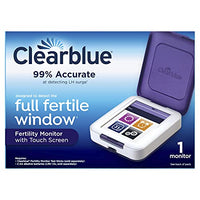
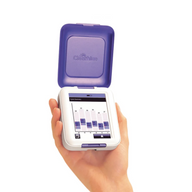
The Clearblue Fertility Monitor is a touch-screen device for women trying to conceive. It reads simple urine tests to track two hormones — estrogen and luteinizing hormone — and shows your Low, High, and Peak fertility days, typically finding more fertile days than LH-only tests. Test sticks are sold separately, and it isn't for contraception.
Timing is everything when you're trying to conceive — and guessing at your fertile window can feel like one more thing to get wrong. A fertility monitor takes some of that guesswork off your plate by reading your hormones instead of the calendar. Knowing your most fertile days with a little more certainty can make each cycle feel a fraction less overwhelming.
Description
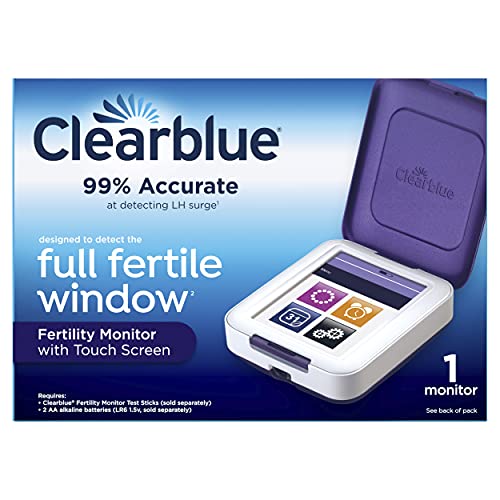
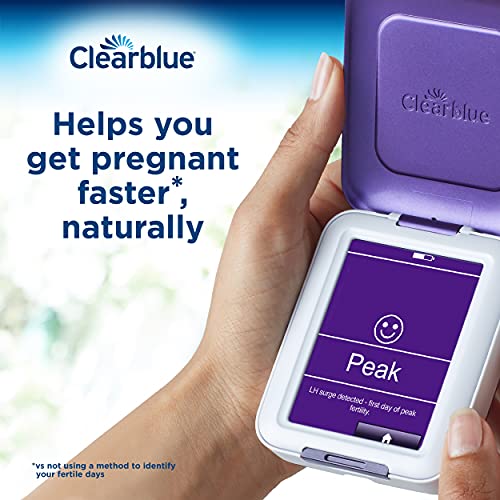
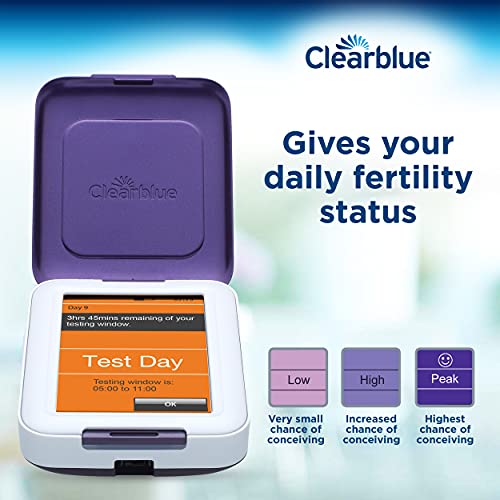
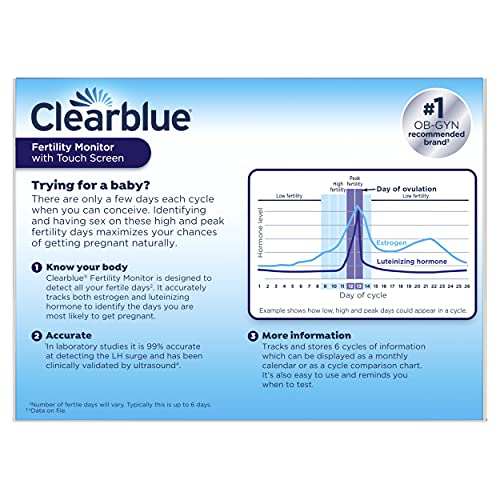
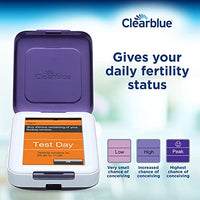
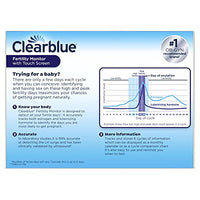
The Clearblue Fertility Monitor is a touch-screen fertility monitor that reads two of your body's key hormones — estrogen and luteinizing hormone (LH) — from simple urine tests, then shows your daily fertility status as Low, High, or Peak. Because it tracks two hormones instead of one, it typically identifies more fertile days than an LH-only ovulation test — up to six in a cycle — which gives you more chances to time things well.
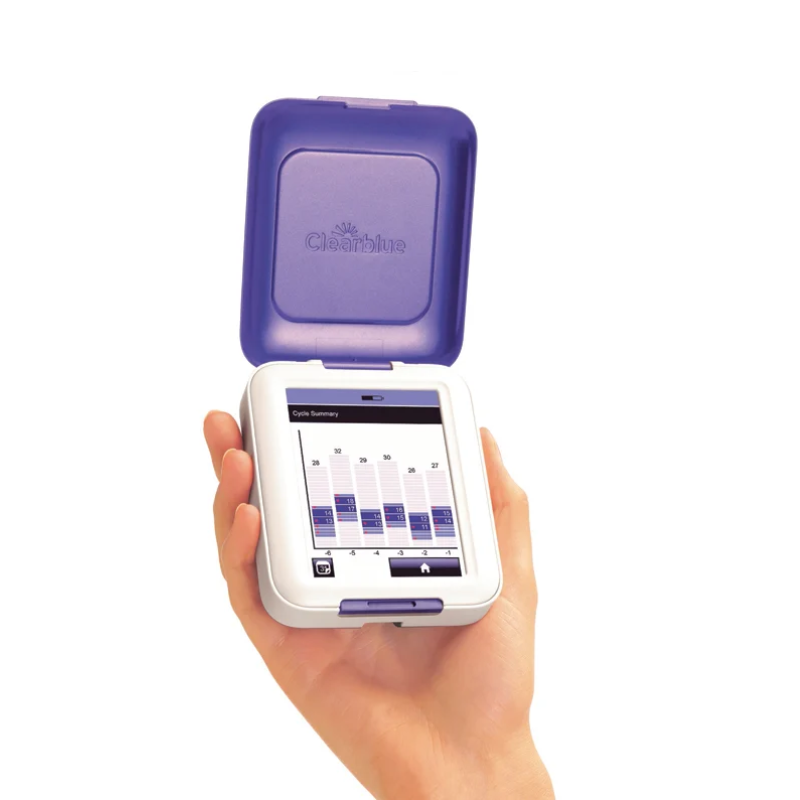
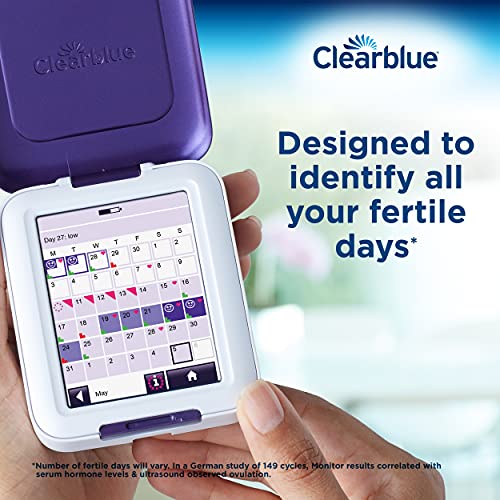
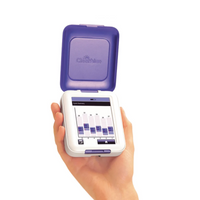
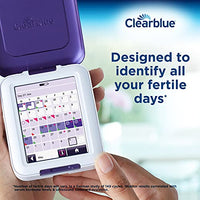
It stores up to six cycles of your information on a single cycle-summary screen, so you can spot patterns over time and share them with your provider. You log your period and the days you have sex right on the monitor, and it tells you which days to test. Clearblue describes it as their #1 OB-GYN recommended ovulation brand, and reports up to 97% agreement with ultrasound-confirmed ovulation and 99% accuracy at detecting the LH surge.
A few honest notes, because they matter. The monitor needs Clearblue test sticks, which are sold separately and are an ongoing cost — worth budgeting for before you buy. It's designed for cycles between 21 and 42 days, and it isn't a contraceptive. No device can guarantee a pregnancy; what this one does is give you clearer information about your timing. And if you've recently been pregnant, Clearblue advises waiting until you've had two natural cycles before using it, since lingering hCG can affect the readings.
Why women love it
- Tracks two hormones, not one: reading estrogen and LH helps it find more of your fertile days than LH-only tests
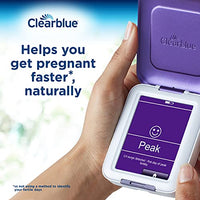
- Clear daily answer: shows your status as Low, High, or Peak so you know when to try
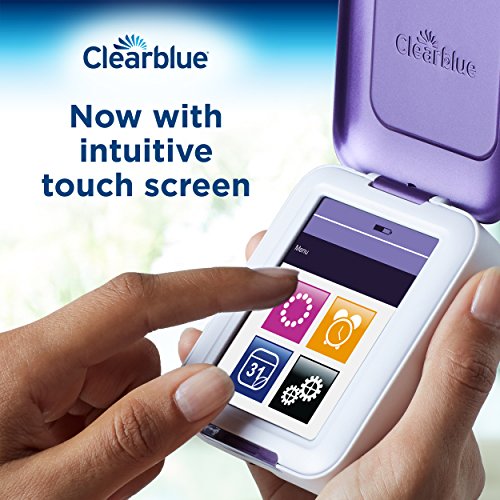
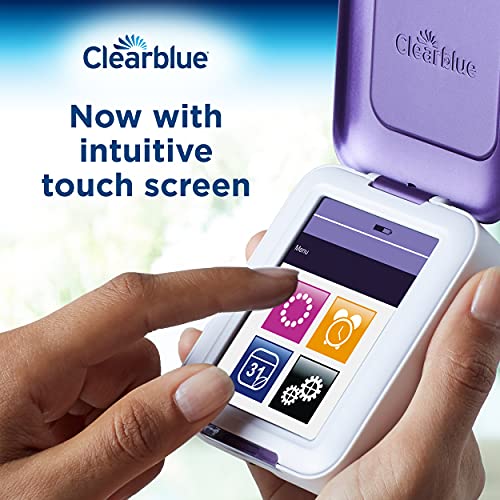
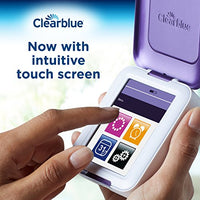
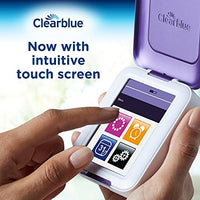
- Easy-to-use touch screen: tells you which days to test and can set a reminder
- Stores up to 6 cycles: review your patterns and share the data with your OB or specialist
- Simple at-home urine tests: no lab visits, done on your own schedule
- #1 OB-GYN recommended ovulation brand (per Clearblue)
- Built for cycles 21–42 days: a good fit for fairly regular cycles
Best for
- Women who want to pinpoint their fertile window with more certainty
- Anyone who's found LH-only ovulation strips too limited
- Tracking cycle data to review and share with an OB or fertility specialist
- Women with fairly regular cycles between 21 and 42 days
- A thoughtful gift for a friend or sister early in her TTC journey
Not for contraception, and not ideal in the first cycles after a pregnancy — see the FAQ below.
Getting to know your cycle is one of the most useful things you can do while you're trying. If you want to weigh your options first, Mindy's roundup of the best period and fertility trackers for getting pregnant walks through how the different tools compare. And if the waiting has you wondering about timelines, she answers how long it really takes to get pregnant with realistic, evidence-based expectations.
For more curated tools to support your timing and your peace of mind, browse our full fertility essentials collection, or read Mindy's complete library of getting pregnant advice for guidance through every part of the TTC journey.
FAQs
How does the Clearblue Fertility Monitor work?
The Clearblue Fertility Monitor reads your hormone levels to tell you when you're most fertile. It uses simple urine tests to track two hormones — estrogen and luteinizing hormone — and displays your daily status as Low, High, or Peak. Tracking both hormones lets it flag more of your fertile days than tests that read LH alone.
Does the Clearblue Fertility Monitor come with test sticks?
No. The monitor and the test sticks are sold separately, and the sticks are an ongoing cost you'll repurchase each cycle. It's worth factoring that into your budget before buying. The monitor itself is reusable and stores up to six cycles of your data, so the recurring expense is the sticks, not the device.
How is a fertility monitor different from an ovulation predictor kit?
Most ovulation predictor kits track one hormone, the LH surge, which flags roughly two fertile days. This fertility monitor tracks two hormones — estrogen and LH — so it typically identifies more fertile days, up to six per cycle. That wider window gives you more opportunities to time intercourse during each cycle.
Will a fertility monitor guarantee I get pregnant?
No. No product can guarantee pregnancy. A fertility monitor identifies your fertile window so you can time intercourse, but conception depends on many factors. If you're under 35 and have been trying for over a year, or 35-plus and trying for over six months, it's worth talking with your doctor about next steps.
Can I use it right after a miscarriage or pregnancy?
Clearblue advises waiting until you've had two natural cycles in a row before using the monitor, because hCG lingering in your body after any pregnancy can affect the readings. If you're navigating loss or a recent birth, check with your provider about when it makes sense to start tracking again.
What cycle lengths does the monitor work for?
It's designed for women whose natural cycles last between 21 and 42 days. If your cycles are very irregular or fall outside that range, the monitor may be less reliable for you, and a different approach to tracking might fit better. Your provider can help you choose the right tool for your situation.
Is this a good gift for someone trying to conceive?
It can be, for someone early in the journey who's mentioned wanting to track ovulation — it's a practical, supportive gift. Just keep in mind the test sticks are a separate, ongoing cost, so you might pair it with a pack of sticks. And because TTC can be tender, a low-pressure note tends to land best.
Clearblue Fertility Monitor — Touch Screen Ovulation Tracker
Regular price
$119.98
Clearblue
Clearblue Fertility Monitor — Touch Screen Ovulation Tracker