
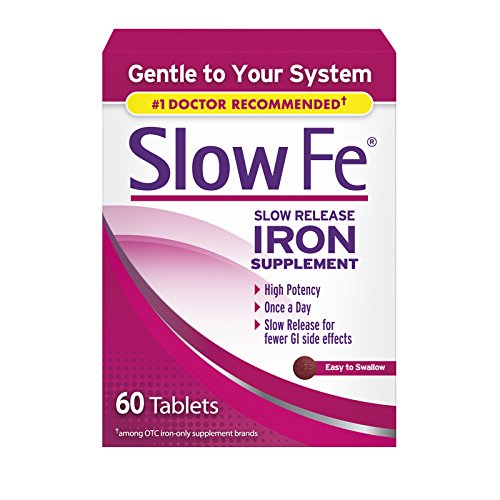

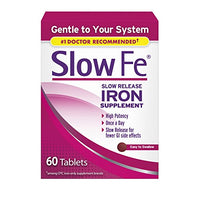
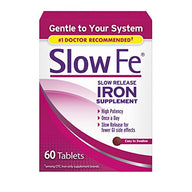
Slow Fe 45mg high-potency slow-release iron supplement, easy-swallow tablets, 60 count
Regular price
$16.99
Clicking the button above supports our work. As an Amazon Associate, we earn a small commission on qualifying purchases at no extra cost to you. We only recommend products we believe in.
At a Glance
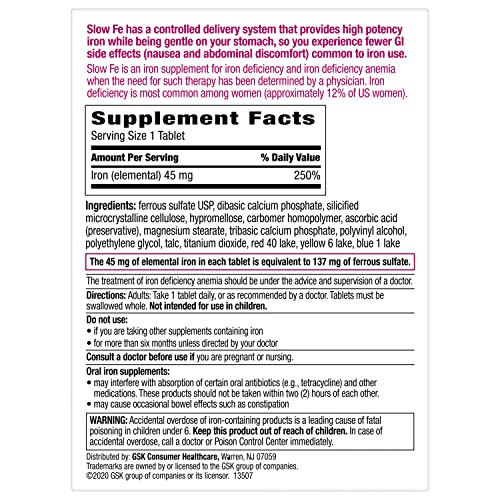
Slow Fe is a slow-release iron tablet designed to be easier on the stomach than standard iron, which is the main reason people can't stick with iron in pregnancy. Each tablet has 45 mg of elemental iron (as ferrous sulfate), one a day. It's a good fit if regular iron left you nauseous or constipated. Two things first, though: get your iron levels checked rather than guessing, and remember your prenatal already contains some iron, so adding a separate tablet is a conversation for your provider.
The best iron supplement is the one you'll actually keep taking. For a lot of people, that comes down to how it sits in your stomach.
Description
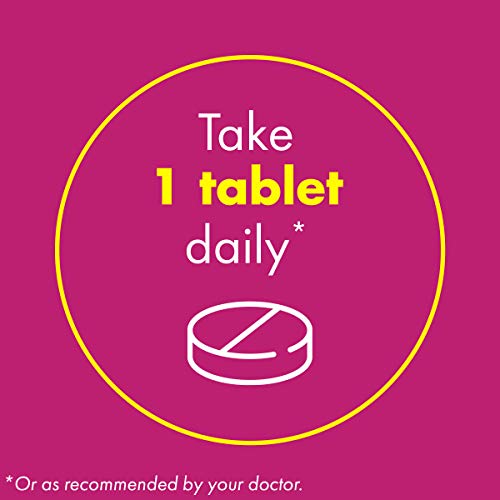
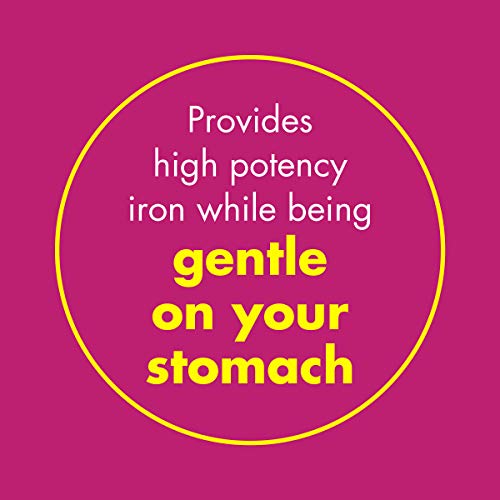
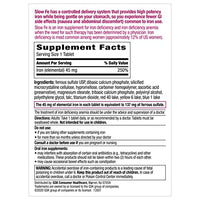
A gentle iron supplement for pregnancy matters more than it sounds, because the usual reason people stop taking iron isn't cost or forgetfulness. It's the stomach. Standard iron tablets are famous for nausea and constipation, and Slow Fe is built specifically to soften that. It releases its iron gradually rather than all at once, which tends to mean less of the churn and cramping that make people quietly abandon the bottle. Each tablet carries 45 mg of elemental iron as ferrous sulfate, taken once a day.
Iron matters in pregnancy because your blood volume climbs steeply, and your body needs iron to build the extra red blood cells that carry oxygen to you and the baby. Iron-deficiency anemia is the most common anemia in pregnancy, and it's exactly what a supplement like this is meant to prevent or treat. Low iron is what's often behind the bone-deep tiredness and breathlessness that get written off as "just pregnancy."
Two honest caveats before you start. First, get tested. Fatigue in pregnancy has many causes, and the right move is a simple blood test (hemoglobin, and often ferritin) rather than guessing you're low and loading up. More iron is not automatically better, and it can make you constipated for nothing. Second, your prenatal vitamin already contains iron, usually around 27 mg. Adding a separate 45 mg tablet on top of that stacks up quickly, so whether you need it, and how much, is a call for your provider based on your actual levels.
Why it helps
- Slow-release, by design: gradual delivery is aimed at the nausea and constipation that make people quit iron
- 45 mg elemental iron: a meaningful treatment-level amount, as ferrous sulfate, in one daily tablet
- Easy-to-swallow tablets: a small, coated tablet rather than a large capsule
- The tolerability pick: the one to try if a standard iron tablet upset your stomach or backed you up
- Once daily: simple to remember, and simple to space away from your prenatal calcium and any antacids
Best for
- Anyone who couldn't tolerate a regular iron tablet and gave up on it
- People whose provider confirmed low iron or iron-deficiency anemia and wants a better-tolerated option
- Those who get constipated easily and want the gentler delivery
- Anyone who wants to separate their iron from a calcium-heavy prenatal to absorb both better
- Not a self-diagnosis tool: if you haven't been tested, that comes first
Related reading
Iron is one piece of eating and supplementing well in pregnancy. Mindy's guide to choosing a prenatal vitamin covers how much iron a prenatal already gives you and when a separate supplement is worth adding. Her guide to nutrition during pregnancy covers the iron-rich foods that do some of this work before a tablet does.
Explore more
This is the stomach-friendly option in our pregnancy essentials collection. If you need to rebuild iron faster and tolerate iron reasonably well, Vitron-C carries more elemental iron and adds vitamin C to help you absorb it. The two cover the same need from opposite ends: Slow Fe for tolerability, Vitron-C for potency.
A note from Mindy on iron in pregnancy
As a nurse practitioner in OB-GYN, the single most useful thing I can tell you about iron is that the best supplement is the one you'll actually keep taking. Iron only works if it's in you, and a lot of people quietly stop because a standard tablet made them feel awful. Slow-release iron like this one exists for exactly that person, and switching to it beats white-knuckling a stronger pill you skip half the time.
A few practical things. Take iron away from your prenatal calcium, antacids, coffee and tea, ideally by a couple of hours, because all of those blunt absorption. Pairing it with something containing vitamin C, even a glass of orange juice, helps. If constipation is still a problem, ask your provider about taking it every other day. There's decent evidence that alternate-day dosing can absorb as well or better and is easier on the gut.
Two safety notes I give everyone. Keep iron well away from children. Iron overdose is one of the leading causes of poisoning in young kids, and these bottles are dangerous to a toddler. And expect dark, almost black stools once you start. That's normal and harmless with oral iron, not a cause for alarm. What isn't routine is guessing you're anemic and dosing yourself. Get a blood test first, because the right amount of iron depends entirely on your actual levels.
— Mindy Motta, FNP-C
FAQs
Is Slow Fe safe to take during pregnancy?
Iron supplementation is a normal part of pregnancy care, and slow-release iron like Slow Fe is a well-tolerated option. The safety point isn't the iron itself but the amount: your prenatal already contains some, and the right total depends on your blood levels. Take it on your provider's guidance rather than adding it on assumption, and keep it well out of reach of children, since iron overdose is dangerous for young kids.
Does slow-release iron actually cause less constipation?
For many people, yes. Releasing the iron gradually rather than in one hit tends to mean less nausea and constipation, which is the main reason people stop taking iron. It isn't a guarantee, and if constipation still bothers you, ask your provider about taking it every other day, which can be gentler and absorb just as well. Pairing iron with fiber, fluids and movement helps too.
How much iron do I actually need in pregnancy?
That depends on your blood levels, which is why testing comes first. Routine pregnancy needs are often met by the iron already in a prenatal, roughly 27 mg, while treating a confirmed deficiency usually calls for more. Slow Fe's 45 mg elemental iron is a treatment-level amount, so whether you need it on top of your prenatal is a decision for your provider based on your hemoglobin and ferritin.
Can I take Slow Fe with my prenatal vitamin?
You can, but be aware you're stacking iron, since your prenatal already contains some. More useful is the timing: the calcium in most prenatals blocks iron absorption, so taking your iron a couple of hours apart from your prenatal, and away from coffee, tea and antacids, helps both work better. Confirm the combined iron amount with your provider.
When is the best time to take Slow Fe?
Iron absorbs best on a relatively empty stomach and alongside vitamin C, so between meals with a glass of orange juice is ideal. If that upsets your stomach, taking it with a little food is a fair trade for being able to keep taking it. Keep it separate from calcium, antacids, coffee and tea, which all reduce absorption.
Why are my stools dark since starting iron?
Dark or nearly black stools are a normal, harmless effect of oral iron and not a reason to stop. What's worth a call to your provider is black, tarry, foul-smelling stool combined with stomach pain, which can signal something different. Ordinary iron darkening on its own is expected.
How long before iron helps my energy?
Give it a few weeks. Your body needs time to rebuild red blood cells, so hemoglobin usually starts improving within a few weeks and fuller iron stores take longer, often a couple of months. Your provider may recheck your blood to confirm it's working and decide how long to continue. Don't judge it after a few days.
Slow Fe or a high-potency iron like Vitron-C, which should I choose?
It comes down to what you're solving. Slow Fe's slow-release design is aimed at tolerability, so it's the pick if regular iron upset your stomach. Vitron-C carries more elemental iron (65 mg) plus vitamin C for absorption, which suits rebuilding a larger deficit if you tolerate iron reasonably well. If side effects are your issue, start gentle; if potency is, the other page covers that.

Slow Fe
Slow Fe 45mg high-potency slow-release iron supplement, easy-swallow tablets, 60 count